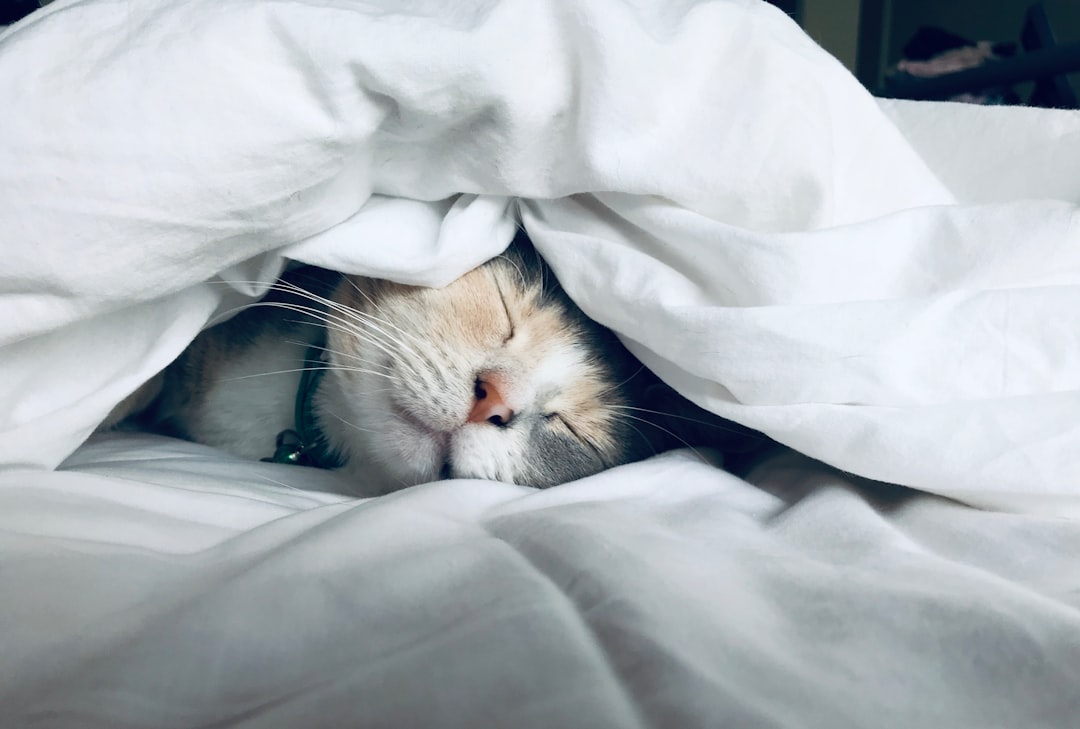
Persian cats are easy to love. They are usually calm, affectionate, and happiest in a comfortable indoor routine. For many households, that is exactly the appeal.
They are also a breed that asks more of owners than their laid-back personality might suggest. A Persian's long coat, flat face, and quiet nature can make everyday care more involved, and subtle health changes can be easy to miss.
For Persian cat owners in Palo Alto, that matters. Many local cats live mostly indoors, which often suits the breed well, but indoor life does not replace regular veterinary care. A cat can look beautiful and relaxed while dealing with breathing issues, eye irritation, coat problems, dental disease, or weight gain.
Why so many people are drawn to Persian cats
Persians are known for their gentle, unhurried temperament. Many prefer a soft place to rest, a familiar routine, and quiet time near their people over constant activity. They can be a great match for homes that want a calmer companion rather than a highly energetic cat.
That same personality can sometimes hide problems. A Persian that seems peaceful may also be a cat that does not show discomfort clearly. Lower activity may be normal for the breed, but it can also make weight gain, stiffness, chronic congestion, or low-grade illness less obvious at first.
Coat care is part of basic health care
Prospective owners should know this early: Persian coat care is not optional. Their long, dense fur can mat quickly, especially around the belly, behind the legs, under the front limbs, and near the rear.
Many Persians need frequent brushing, and some do best with daily grooming. This is not just about keeping the coat pretty. Regular grooming helps prevent painful mats, reduces loose hair and hairballs, and gives owners a chance to notice skin irritation, lumps, parasites, or weight changes sooner.
Owners should keep an eye out for:
- stool or litter stuck in the fur around the rear
- tangles forming close to the skin
- greasy or neglected areas that may suggest the cat is not grooming well
- more frequent hairballs or vomiting related to swallowed fur
Some Persians tolerate brushing very well. Others need a slower routine or occasional professional grooming. Either way, coat care works best when it is treated as a normal part of health maintenance.
Flat-faced anatomy can affect comfort and breathing
One of the most important health considerations in Persian cats is their brachycephalic, or flat-faced, skull shape. That look is part of the breed's appeal, but it can also create real breathing and comfort issues.
Because the nasal passages and nearby structures may be more crowded, some Persians breathe noisily, snore, or sound congested even when resting. Mild noise is not always an emergency, but it should not automatically be brushed off. Breathing that seems more effortful than usual, harsher, or paired with poor stamina, heat intolerance, or open-mouth breathing deserves prompt attention.
Persians may be more prone to:
- chronic nasal congestion
- noisy breathing during sleep or stress
- reduced tolerance for heat
- eye drainage related to facial structure
- difficulty keeping the face clean and dry
This does not mean every Persian struggles to breathe. It does mean owners should be realistic about the breed. In Palo Alto, where warm afternoons and sunny windows can heat up indoor spaces quickly, a brachycephalic cat should always have access to cool, comfortable conditions.
Eye care often takes more attention than owners expect
Persians are also known for tear staining and facial discharge. In some cats, it stays mild and mostly cosmetic. In others, it can irritate the skin and leave the face chronically damp.
Many owners need to gently clean around the eyes and nose to keep the area dry and comfortable. If discharge suddenly increases, changes color, or comes with squinting, redness, swelling, or obvious discomfort, it is worth scheduling a veterinary exam. Not every watery eye is just a breed quirk.
Because Persians have prominent eyes and a flatter facial structure, eye problems should usually be taken seriously sooner rather than later.
Persians do best in the right kind of home
Persians are often a strong fit for people who want a calm indoor cat and are comfortable with steady routine care. They can do well in apartments, quieter homes, and households that prefer a slower pace.
They are usually less suited to homes looking for a highly adventurous, constantly climbing, or heavily outdoors-oriented cat. That does not make them fragile. It just means they tend to thrive with predictability, comfort, and close observation.
That can work well for many Palo Alto households. Whether a cat lives in a downtown apartment or a quieter residential neighborhood, the breed often does best when daily life is stable and the indoor environment stays clean, cool, and low stress.
Common health tendencies owners should know
Persians can develop many of the same medical issues seen in other cats, but there are a few areas owners should watch more closely.
Dental disease is one. Flat-faced anatomy can sometimes go along with crowding or other oral issues, so bad breath, dropping food, pawing at the mouth, chewing on one side, or reduced appetite should not be ignored.
Weight gain is another common concern. Persians are often less athletic than some breeds, and their thick coat can make body condition harder to judge. A cat may look fluffy long before it is clear that extra weight is affecting comfort and mobility.
Owners should also know that Persian cats are more commonly associated with some inherited or breed-linked concerns, including hypertrophic cardiomyopathy in some lines. That does not mean every Persian will develop heart disease, but it is one more reason routine exams matter.
Other issues worth watching for include:
- skin or coat problems hidden under long fur
- urinary changes
- digestive upset or frequent hairballs
- reduced ability to groom normally
- subtle breathing changes
- lower energy that is new or gradually worsening
What to watch for between vet visits
Because Persians are often quiet and home-oriented, the first signs of trouble can be easy to miss. Owners should pay attention to changes such as:
- louder or more effortful breathing
- more facial staining or eye discharge
- a coat that looks less clean or more tangled than usual
- mats forming faster than before
- appetite changes
- less interest in jumping or moving around
- new hiding behavior
- more frequent hairballs or vomiting
- weight gain or unexplained weight loss
None of these signs automatically points to a major illness. Still, with Persian cats, small changes are often worth catching early.
Why an established vet clinic relationship helps
One of the biggest advantages of regular care with a primary vet clinic is having a baseline. That includes weight trends, dental condition, breathing pattern, heart and lung sounds, skin health, and what is normal for that particular cat.
That context matters with Persians. A cat that has always had mild tear staining is different from one whose eye discharge suddenly worsens. A cat that has always snored lightly is different from one whose breathing is becoming more strained. A cat that has always been mellow is different from one that is quietly doing less because it does not feel well.
A Palo Alto vet clinic can help owners sort out those differences before a smaller issue turns into a more serious one.
The bottom line for Persian cat owners
Persian cats can be wonderful companions. They are often sweet, beautiful, and well suited to indoor homes that value a calm routine. But they are not effortless cats.
The breed's coat, facial structure, and overall care needs ask owners to stay observant. Grooming should be regular. Breathing and eye changes should not be dismissed. Weight, dental health, and everyday comfort all deserve attention, even when a cat seems relaxed and content.
If you already have a Persian, or you are thinking about bringing one home, it helps to go in with realistic expectations. The breed can be a great fit, but usually for owners who are prepared for consistent maintenance and preventive care. A trusted vet clinic in Palo Alto can help keep that care practical, manageable, and tailored to your cat over time.